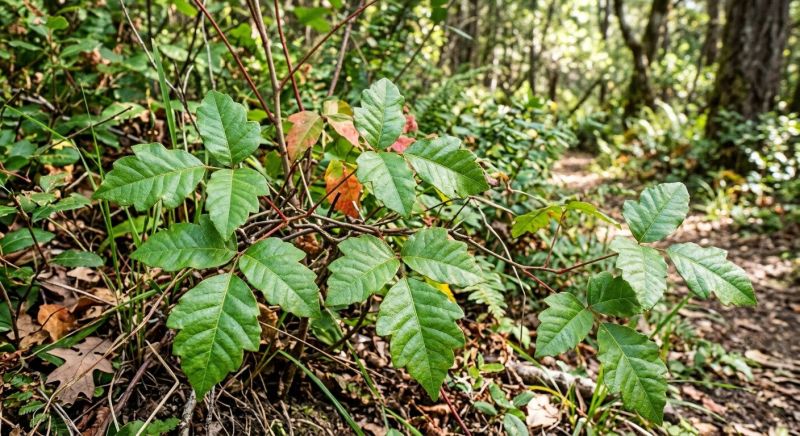
Poison Oak Removal in Burlington County, NJ
Poison oak removal services focus on safely identifying and eliminating this invasive plant from residential properties. These services are suitable for a variety of projects, including clearing overgrown areas, maintaining landscaped yards, or preparing outdoor spaces for recreational use. Property owners typically seek this service to reduce the risk of skin irritation and allergic reactions caused by contact with poison oak, as well as to prevent the plant from spreading further across the landscape. Before requesting removal, it is helpful for property owners to understand the location and extent of the poison oak growth, as well as any specific concerns about nearby plants or structures.
Proper removal involves specialized techniques to ensure the plant is fully eradicated and does not regrow. Homeowners should inquire about the methods used, especially if they have children, pets, or sensitive landscaping nearby. Clear communication about the size of the affected area and any access restrictions can help facilitate an effective removal process. This service is often requested for yard cleanups, property maintenance, or preparing outdoor spaces for seasonal use, ensuring the landscape remains safe and healthy.
Many property owners in Burlington County, NJ look into Poison Oak Removal for repairs, replacements, upgrades, and appearance-related improvements.
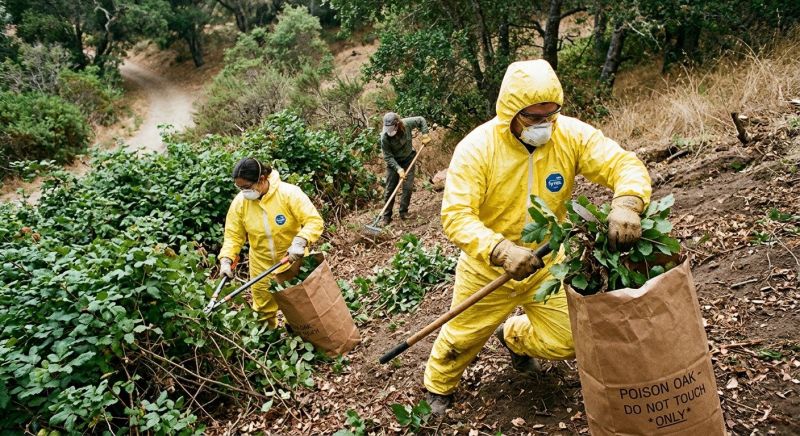
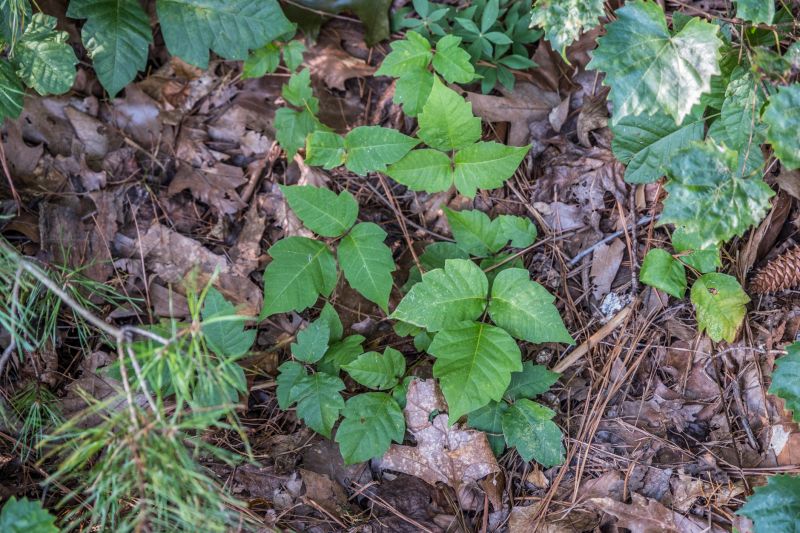
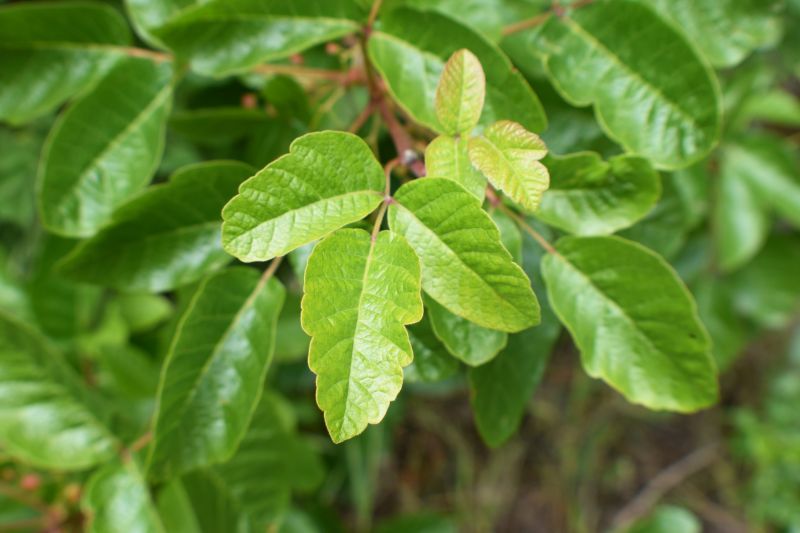
Poison Oak Identification
Recognizing poison oak can prevent skin irritation and exposure on your property.
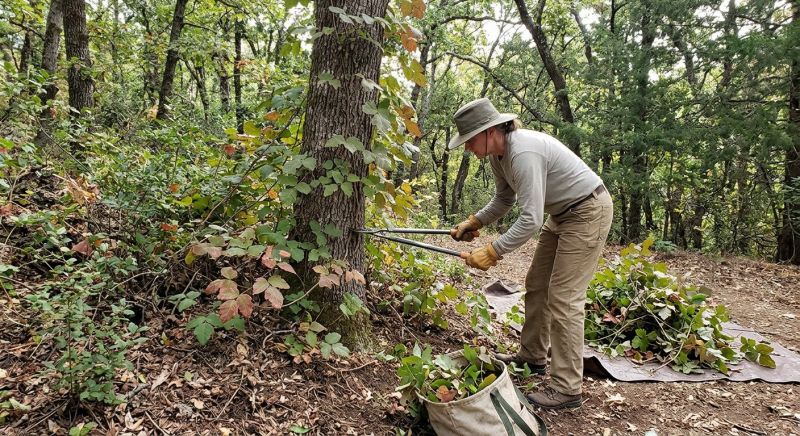
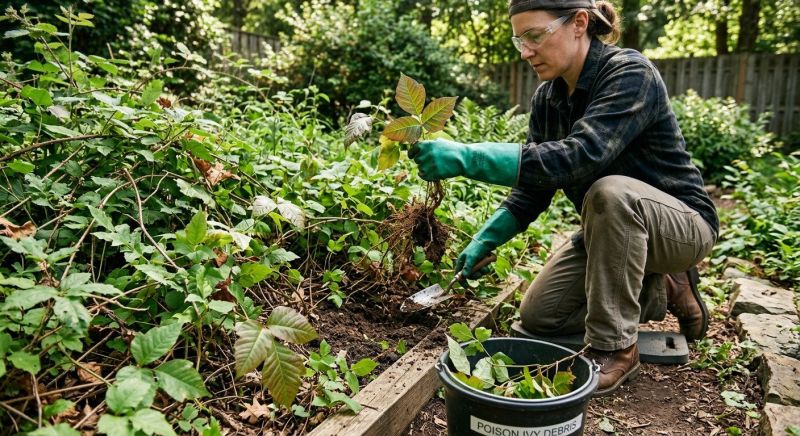
Safety During Removal
Proper removal techniques ensure the safety of residents and prevent the spread of the plant.
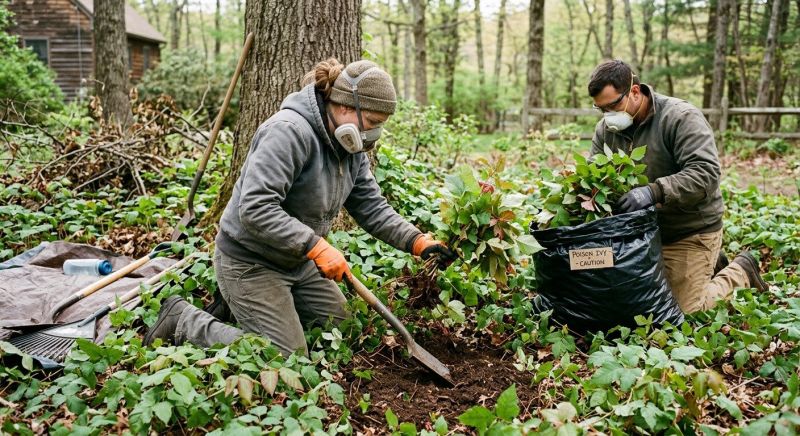
Property Maintenance
Removing poison oak helps maintain a safe and attractive outdoor space in burlington county and nearby areas.
Poison Oak Removal in Burlington County, NJ

Poison oak removal services focus on safely identifying and eliminating this invasive plant from residential properties. These services are suitable for a variety of projects, including clearing overgrown areas, maintaining landscaped yards, or preparing outdoor spaces for recreational use. Property owners typically seek this service to reduce the risk of skin irritation and allergic reactions caused by contact with poison oak, as well as to prevent the plant from spreading further across the landscape. Before requesting removal, it is helpful for property owners to understand the location and extent of the poison oak growth, as well as any specific concerns about nearby plants or structures.
Proper removal involves specialized techniques to ensure the plant is fully eradicated and does not regrow. Homeowners should inquire about the methods used, especially if they have children, pets, or sensitive landscaping nearby. Clear communication about the size of the affected area and any access restrictions can help facilitate an effective removal process. This service is often requested for yard cleanups, property maintenance, or preparing outdoor spaces for seasonal use, ensuring the landscape remains safe and healthy.
Many property owners in Burlington County, NJ look into Poison Oak Removal for repairs, replacements, upgrades, and appearance-related improvements.
Common Poison Oak Removal Jobs
Poison Oak Removal Questions
What is poison oak removal? Poison oak removal involves the safe and effective elimination of poison oak plants from residential or commercial properties to reduce exposure risks.
Why is poison oak removal important? Removing poison oak helps prevent skin irritation, allergic reactions, and the spread of the plant to other areas of the property.
What types of projects typically require poison oak removal? Projects often include clearing overgrown areas, landscaping renovations, or maintaining safe outdoor spaces for families and visitors.
What should property owners know about poison oak removal? Proper removal requires careful handling to avoid skin contact and ensure the plant is fully eradicated to prevent regrowth.
Request Poison Oak Removal in Burlington County, NJ
Use the quote form on this page to share the basics of your project and request more information for the type of work you need.