Get Industrial Lawn Aerating
Industrial lawn aerating services help property owners improve turf health, reduce soil compaction, and prepare lawns for better growth through professional core aeration.
Industrial lawn aerating services can play a vital role in maintaining healthy, resilient landscapes for a variety of property types. Proper aeration helps improve soil health, enhances water absorption, and promotes robust grass growth, making it an essential consideration for property owners looking to preserve or enhance the appearance and functionality of their outdoor spaces. Whether managing a commercial property, industrial site, or large-scale landscape, exploring local contractors with experience in lawn aeration can provide practical solutions tailored to specific needs.
Property owners in the area often turn to local service providers to ensure their grounds remain lush and well-maintained. Comparing different contractors allows for a better understanding of available options and their respective approaches to aeration projects. Continuing to explore these local professionals can help identify the right fit for your property’s unique requirements, ensuring that your landscape receives the proper care to stay healthy and vibrant.
- Commercial properties - businesses with large lawns may need aerating to maintain healthy turf.
- Sports fields - athletic fields require regular aeration to ensure optimal play conditions.
- Residential lawns - homeowners seeking a lush, healthy yard often schedule aeration services.
- Golf courses - course managers use aerating to promote turf longevity and quality.
- Municipal parks - city parks may require aeration to support diverse recreational landscapes.
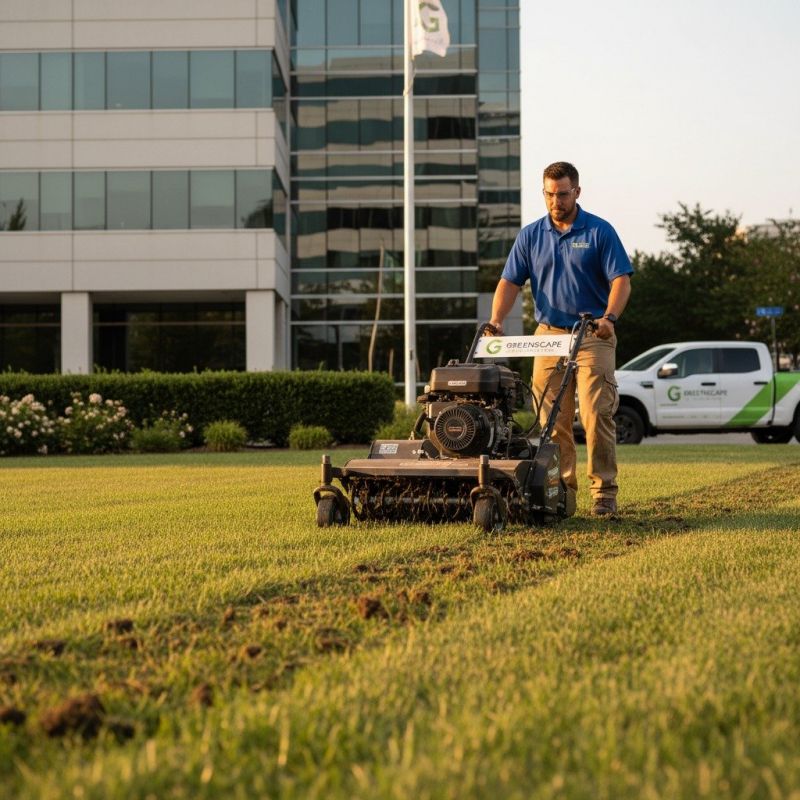
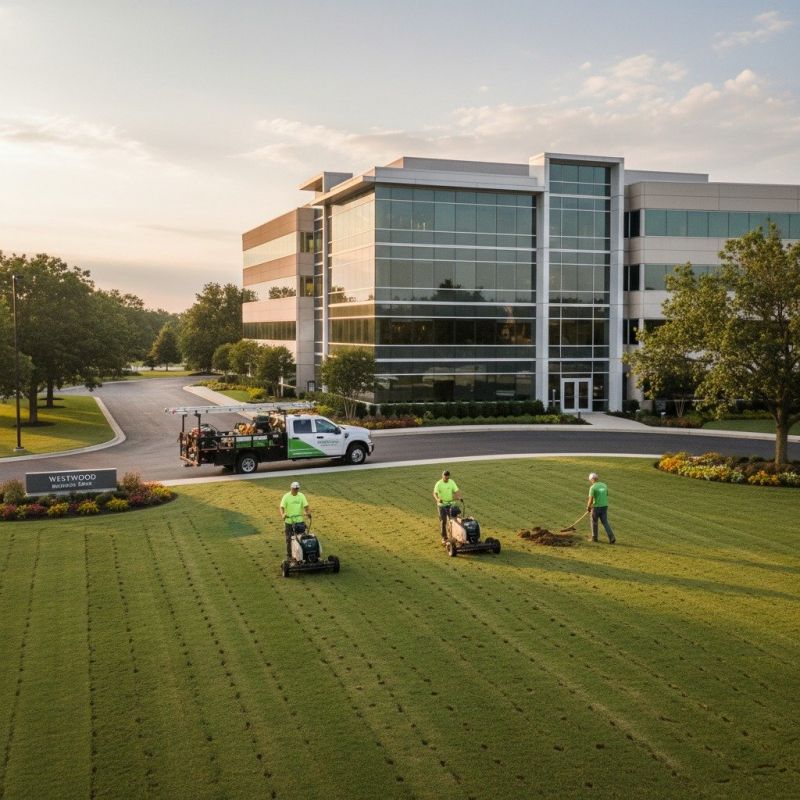
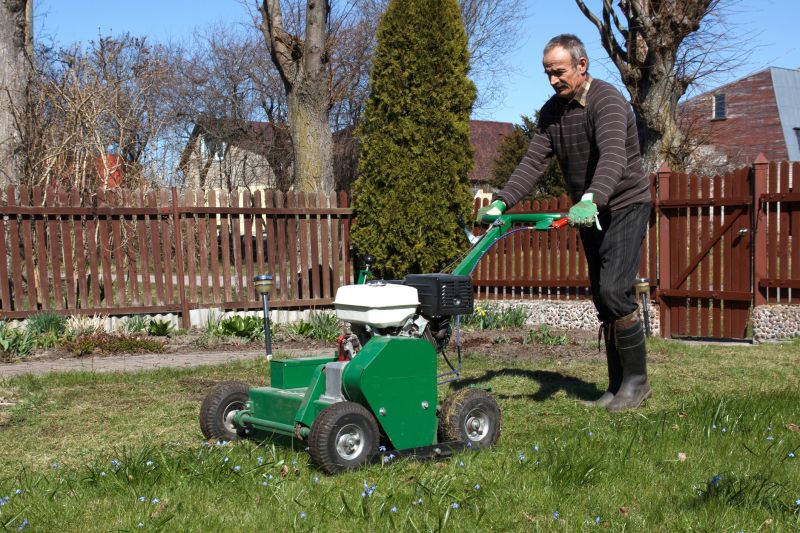
Industrial lawn aerating services involve creating small holes in the soil of a lawn to improve its overall health and vitality. This process typically uses specialized machinery designed to penetrate compacted soil, allowing air, water, and nutrients to reach the grass roots more effectively. Aeration helps break up soil that has become dense or compacted over time, promoting a healthier root system and encouraging thicker, more resilient grass growth. It is especially beneficial for lawns that experience heavy foot traffic, frequent use, or have been established for several years without recent attention to soil health.
One of the primary problems that aeration addresses is soil compaction. When soil becomes compacted, it restricts the movement of essential elements like oxygen and water to the grass roots, leading to weak, patchy, or thin lawns. Aerating alleviates this issue by creating channels that allow these vital resources to penetrate deeper into the soil. This process can also reduce thatch buildup-an accumulation of organic matter between the grass and soil-preventing it from suffocating the roots and hindering healthy growth. As a result, lawns become more vigorous, resilient, and better able to withstand drought, pests, and disease.
The types of properties that typically benefit from lawn aeration include residential yards, commercial landscapes, and recreational fields. Homes with large or heavily used lawns often require aeration to maintain a lush, healthy appearance. Commercial properties, such as office parks or retail centers, use aeration to keep their outdoor spaces inviting and well-maintained. Athletic fields, golf courses, and parks also rely on aeration to ensure the turf remains durable and safe for frequent use. Regardless of property size, any lawn that shows signs of soil compaction, poor drainage, or thinning grass may be a candidate for professional aerating services.
Homeowners and property managers should consider lawn aeration if they notice areas of the yard that are hard to grow grass in, have standing water after rain, or experience persistent brown patches. Aeration can improve soil aeration and water absorption, leading to a healthier, more vibrant lawn. Local contractors offering lawn aerating services can assess specific property needs and recommend the appropriate type of equipment and techniques to restore soil health. Connecting with experienced service providers ensures that the job is done efficiently and effectively, helping lawns thrive through proper soil management.
The overview below groups typical Industrial Lawn Aerating projects into broad ranges so you can see how smaller, mid-sized, and larger jobs often compare in your area.
In many markets, a large share of routine jobs stays in the lower and middle ranges, while only a smaller percentage of projects moves into the highest bands when the work is more complex or site conditions are harder than average.
Smaller Lawn Aeration Jobs - Typically, local contractors charge between $250 and $600 for routine lawn aerating services on small to medium-sized properties. Many standard jobs fall within this range, covering regular maintenance or patch repairs. Larger or more complex projects may exceed this range but are less common.
Medium-Sized Projects - For larger lawns or properties requiring additional aeration passes, costs generally range from $600 to $1,200. These projects often involve more extensive equipment and time, which can influence the price. Most routine projects are completed within this band.
Large or Commercial Properties - Projects on large commercial or multiple-property sites can range from $1,200 to $3,500, depending on size and scope. These jobs tend to be less frequent but may include additional services like overseeding or soil amendment, affecting the overall cost.
Full Lawn Renovation or Complex Work - Larger, more complex aeration projects, especially those combined with other lawn treatments or renovations, can reach $5,000 or more. These are typically specialized jobs that require advanced equipment and planning, making them less common among standard service requests.
Actual totals will depend on details like access to the work area, the scope of the project, and the materials selected, so use these as general starting points rather than exact figures.
Soil Testing and Preparation - Professionals in soil testing and preparation use similar planning and equipment to ensure optimal conditions for aeration and lawn health.
Seeding and Overseeding - Lawn seeding projects require knowledge of soil conditions and proper equipment, aligning closely with aeration techniques to promote healthy turf growth.
Drainage System Installation - Installing drainage solutions involves planning and excavation skills comparable to those used in aerating large-scale turf areas.
Landscape Grading - Grading projects require site assessment and earth-moving tools similar to those used in aeration to ensure proper land contouring.
Tree and Shrub Planting - Planting large trees and shrubs involves soil disturbance and site preparation skills akin to aeration processes for healthy root development.
Ground Maintenance and Turf Management - Ongoing turf care and maintenance services often incorporate aeration as part of their comprehensive approach to healthy lawns.
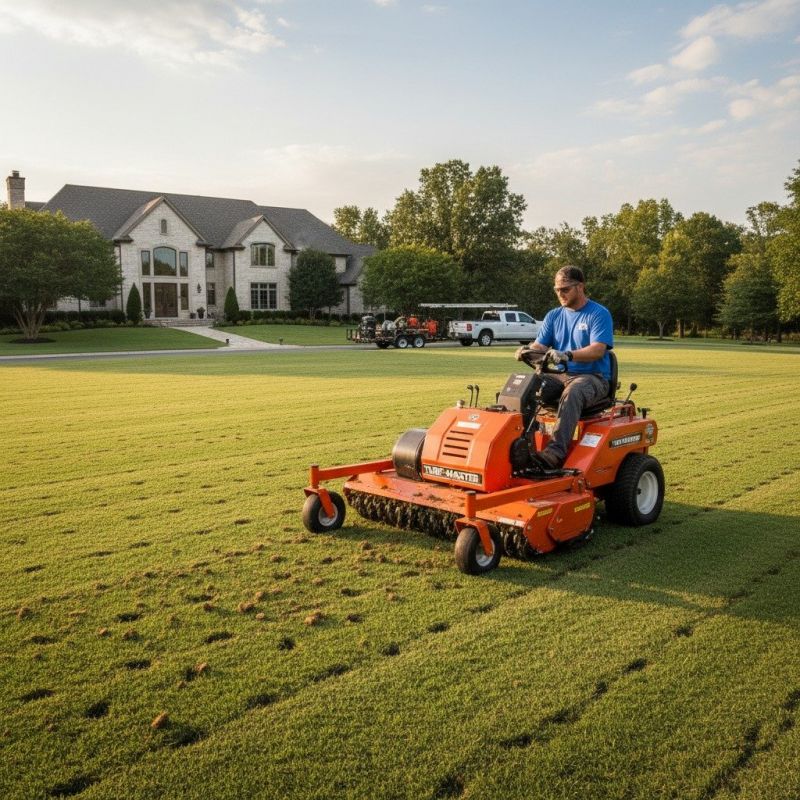
When comparing local contractors for industrial lawn aerating services, it’s important to consider their experience with similar projects. Homeowners should look for service providers who have a proven track record of handling lawn aeration tasks comparable in scope and complexity. An experienced professional will understand the nuances of different grass types, soil conditions, and landscape layouts, ensuring the work is performed effectively and efficiently. Asking for details about their past projects or seeking references can help gauge their familiarity with projects similar to the homeowner’s needs.
Clear, written expectations are essential for ensuring everyone is on the same page. Homeowners should seek service providers who can provide detailed descriptions of the work to be performed, including the methods used, the scope of services, and any preparations or follow-up required. Having this information in writing helps prevent misunderstandings and provides a reference point throughout the project. It’s beneficial to compare how different local contractors communicate their process and whether they are transparent about what the job entails.
Reputable references and effective communication are key factors in selecting a reliable service provider. Homeowners should inquire about references from previous clients who had similar services performed and follow up to learn about their experiences. Good communication from a local contractor includes timely responses to questions, clear explanations of the work, and a professional approach to addressing concerns. While the site introduces homeowners to local options, it’s important to evaluate each contractor’s reputation and communication style to find a professional capable of delivering quality lawn aerating services tailored to the specific needs of the property.
Property owners use Industrial Lawn Aerating services for practical projects around their homes and businesses. This guide focuses on everyday jobs and straightforward project options.
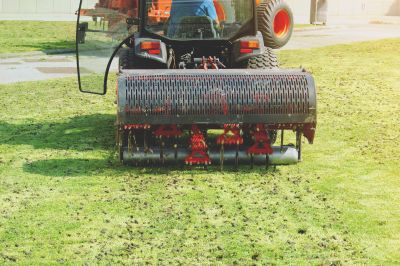
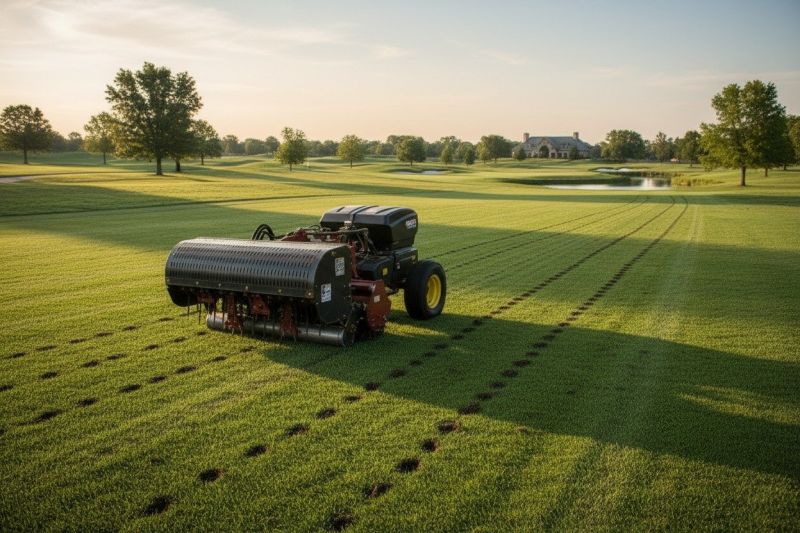
Industrial lawn aerating services are often sought by property owners dealing with compacted soil or uneven turf. Over time, heavy foot traffic, machinery, or weather conditions can cause the soil to become dense, making it difficult for grass roots to access essential air, water, and nutrients. Local contractors specializing in lawn aeration can help improve soil health, promote healthier grass growth, and enhance the overall appearance of industrial or commercial properties.
Additionally, property owners may look for aerating services to prepare their lawns for seasonal changes or to address issues like moss buildup and poor drainage. Regular aeration can also be part of a broader lawn maintenance routine, helping to prevent future problems and maintain a lush, vibrant landscape. Local service providers are equipped to handle these projects efficiently, ensuring that industrial outdoor spaces remain functional and visually appealing.
What is lawn aeration and why is it important? Lawn aeration involves creating small holes in the soil to improve air, water, and nutrient penetration, promoting healthier grass growth and soil conditions.
How can professional lawn aerating services benefit my property? Local contractors can efficiently perform aeration to reduce soil compaction, enhance turf health, and support overall lawn vitality.
What types of aeration methods do service providers typically use? Common methods include core aeration, which removes plugs of soil, and spike aeration, which pokes holes into the ground to improve airflow.
Are lawn aeration services suitable for all types of lawns? Most lawns can benefit from aeration, especially compacted or high-traffic areas, but a local professional can assess specific lawn needs.
How often should a lawn be aerated? The frequency depends on soil and lawn conditions, but many lawns benefit from aeration once or twice a year, with a local contractor able to provide tailored recommendations.
Improve Lawn Health - Regular aerating helps maintain a lush, green lawn by allowing nutrients and water to reach the roots more effectively.
Prepare for Seeding or Sodding - Aeration creates ideal conditions for new grass installation, promoting strong root growth and even coverage.
Reduce Soil Compaction - Local contractors can help loosen compacted soil to prevent drainage issues and support healthy root development.
Enhance Irrigation Efficiency - Aerating can improve water absorption, reducing runoff and ensuring the lawn receives adequate moisture.
If you are thinking about Industrial Lawn Aerating for a property, this guide is meant to help you understand the work, the typical project types, and how different options might fit your plans.
When you are ready, you can use the quote form on this page to share a few details about your project. From there, local pros can review the basics and respond with options that match what you have in mind.