Get Power Raking in Denver, CO
Power Raking services offered by local contractors in Denver help remove thatch buildup, improve lawn health, and prepare yards for seeding or re-sodding projects.
Power raking services are a practical solution for property owners in Denver, CO looking to improve the health and appearance of their lawns. Over time, accumulated thatch and debris can hinder grass growth, leading to a less vibrant and resilient yard. Engaging with experienced service providers can help restore your lawn’s vitality, making it easier to maintain and enjoy during the warmer months. Exploring local contractors ensures you find professionals familiar with Denver’s specific climate and soil conditions, helping you plan a project that aligns with your property’s needs.
When considering power raking, comparing options from nearby service providers can provide valuable insights into the best approaches for your landscape. Local contractors often bring a wealth of knowledge about the region’s unique yard challenges and can offer tailored recommendations. Continuing to explore your choices allows for an informed decision, ensuring the work supports your property’s long-term health and aesthetic appeal. Keep reading to discover how local experts can assist with your lawn care projects.
- Power Raking Services - needed when a lawn in neighborhoods like Capitol Hill or Highlands shows thick thatch buildup.
- Power Raking Services - suitable for lawns with matted grass caused by heavy foot traffic or prolonged neglect.
- Power Raking Services - recommended for preparing a yard in Denver’s suburban areas before overseeding or new sod installation.
- Power Raking Services - useful when removing debris and dead grass after seasonal storms or harsh weather in nearby communities.
- Power Raking Services - ideal for revitalizing lawns that have become uneven or patchy due to soil compaction or moss growth.
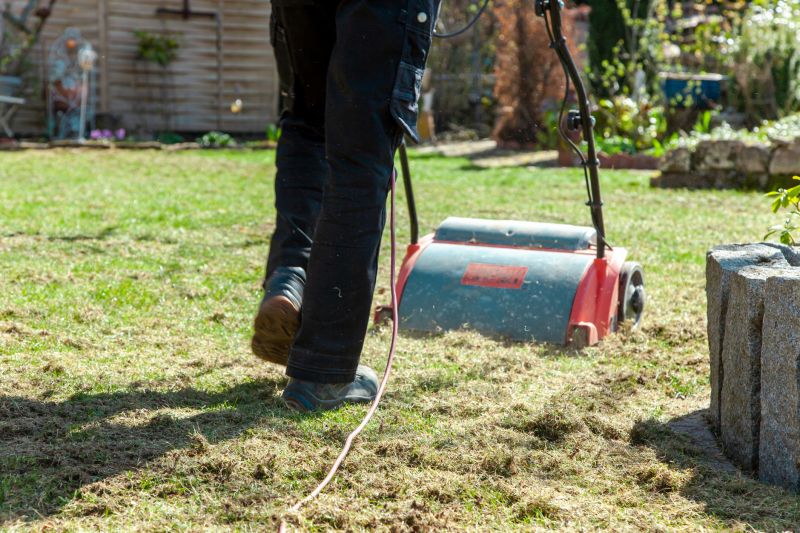
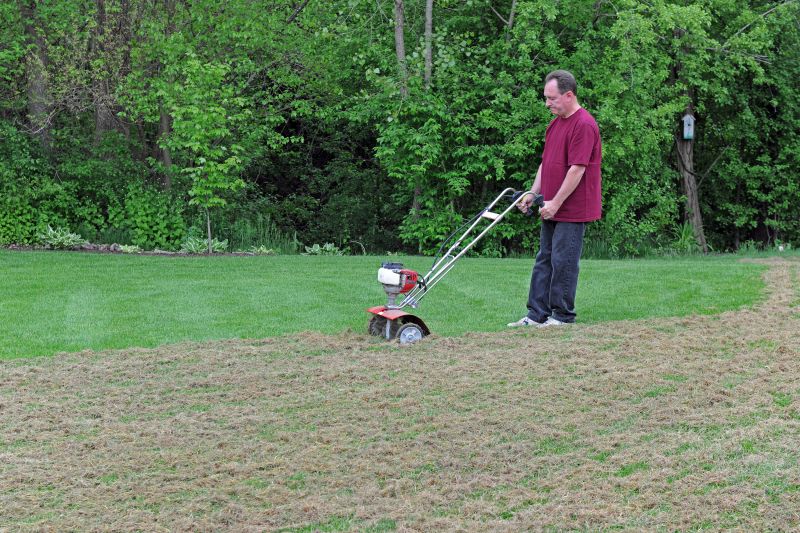
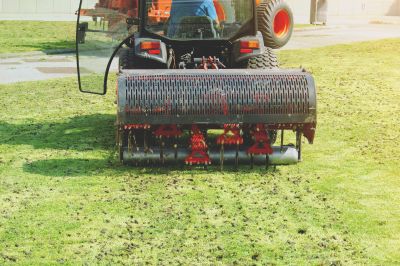
Power raking is a process that involves using specialized equipment to remove thatch buildup from a lawn’s surface. Thatch is a layer of dead grass, roots, and organic matter that can accumulate between the soil and the grass blades. Over time, this layer can become thick enough to interfere with water, air, and nutrient penetration, leading to a less healthy lawn. Power raking helps to break up and remove this layer, promoting better growth conditions and improving the overall appearance of the yard.
This service is particularly helpful for lawns that show signs of excessive thatch, such as a spongy feel when walking on the grass, uneven growth, or areas that are slow to recover after mowing. It also addresses problems like moss development and poor drainage, which can be caused or worsened by a thick thatch layer. By removing this organic buildup, power raking can help prevent lawn diseases, reduce pest issues, and encourage stronger, more resilient grass growth.
Power raking is commonly used on residential properties with larger lawns, especially those with dense grass types like Kentucky bluegrass, fescue, or ryegrass. It’s also suitable for properties that have experienced heavy foot traffic or overgrown lawns that haven’t been maintained regularly. Commercial properties, parks, and sports fields may also benefit from power raking services to maintain a healthy, attractive appearance and ensure the turf remains durable and well-maintained.
Homeowners who notice their lawn is struggling to stay lush and green, or those dealing with persistent moss or poor drainage, might consider power raking as part of their lawn care routine. This service can help restore a healthier soil environment and improve the overall look of the yard. Contacting experienced local contractors can provide the expertise needed to determine if power raking is appropriate and to ensure the work is done effectively, helping to keep outdoor spaces vibrant and well-kept.
The overview below groups typical Power Raking projects into broad ranges so you can see how smaller, mid-sized, and larger jobs often compare in Denver, CO.
In many markets, a large share of routine jobs stays in the lower and middle ranges, while only a smaller percentage of projects moves into the highest bands when the work is more complex or site conditions are harder than average.
Smaller Repairs - For routine power raking on smaller lawns or minor areas, local contractors typically charge between $250 and $600. Many standard jobs fall within this range, offering an affordable option for regular maintenance. Fewer projects reach the higher end of this spectrum, which is usually reserved for larger or more complex tasks.
Mid-Size Projects - Medium-sized power raking jobs, such as larger yards or properties with moderate thatch buildup, generally cost between $600 and $1,200. Most projects in this category are common, providing a balance between scope and price. Larger or more detailed work may push costs into the upper part of this range.
Large or Complex Jobs - Extensive power raking, including properties with heavily compacted or thick thatch, can range from $1,200 to $3,000 or more. These projects are less frequent and often involve additional services like overseeding or aeration. The highest costs are typically associated with the most demanding or extensive work.
Full Lawn Renovation - Complete lawn renovation, which includes power raking along with other services such as reseeding and soil treatment, can reach $3,000+ depending on the size and condition of the property. Such comprehensive projects are less common but are necessary for severely neglected lawns requiring significant restoration.
Actual totals will depend on details like access to the work area, the scope of the project, and the materials selected, so use these as general starting points rather than exact figures.
Lawn dethatching projects - these involve removing thatch buildup using specialized tools, similar to power raking techniques to improve lawn health.
Leaf removal services - clearing leaves from lawns requires equipment and planning akin to power raking to maintain a tidy yard.
Garden bed preparation - preparing soil and removing debris in garden beds shares skills with power raking for maintaining healthy turf areas.
Soil aeration projects - creating holes in the soil to improve airflow and nutrient absorption involves planning and equipment comparable to power raking.
Gravel and mulch installation - spreading and leveling materials in landscape beds requires similar planning and surface preparation as power raking.
Yard cleanup and debris removal - clearing yard waste involves similar tools and techniques used by local contractors for turf and soil maintenance.

When comparing contractors for power raking services, it’s important to consider their experience with similar projects. Homeowners should seek out service providers who have a proven track record of handling lawns comparable in size and type to their own. An experienced contractor will understand the nuances of different grass varieties and soil conditions, helping to ensure the work is performed effectively and efficiently. Asking for details about past projects or areas of specialization can provide insight into a contractor’s familiarity with the specific needs of local properties.
Clear, written expectations are essential for a smooth working relationship. Homeowners should look for service providers who can provide detailed descriptions of what the power raking process involves and what results to expect. This helps prevent misunderstandings and ensures everyone is aligned on the scope of work. A reputable contractor will be transparent about their methods and what services are included, making it easier for homeowners to evaluate if the provider’s approach matches their lawn care goals.
Reputable references and strong communication are key indicators of a reliable service provider. Homeowners should inquire about references from previous clients with similar projects and ask about their experiences. Additionally, responsive and clear communication from the contractor-whether through phone, email, or in-person discussions-can make the entire process more straightforward. While the site introduces homeowners to local contractors capable of performing power raking, it is important to independently verify these qualities to find a professional who can deliver quality results and maintain open, effective communication throughout the project.
Property owners in Denver, CO use Power Raking services for practical projects around their homes and businesses. This guide focuses on everyday jobs and straightforward project options.
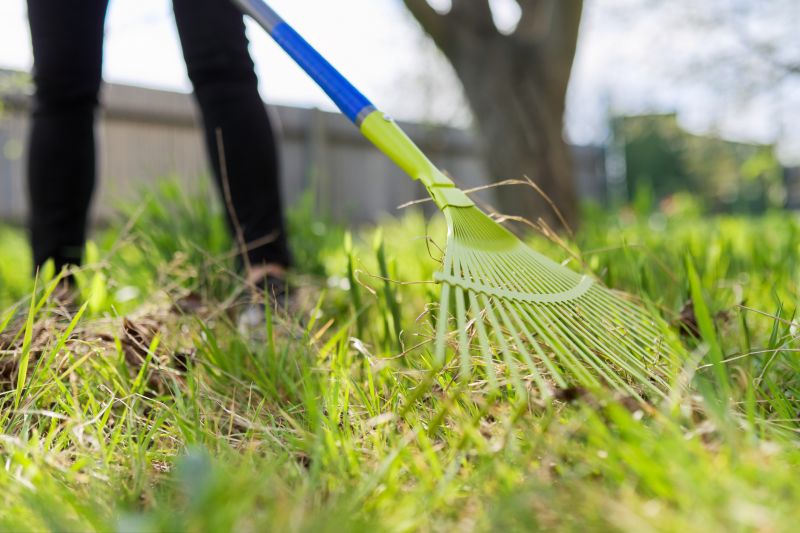
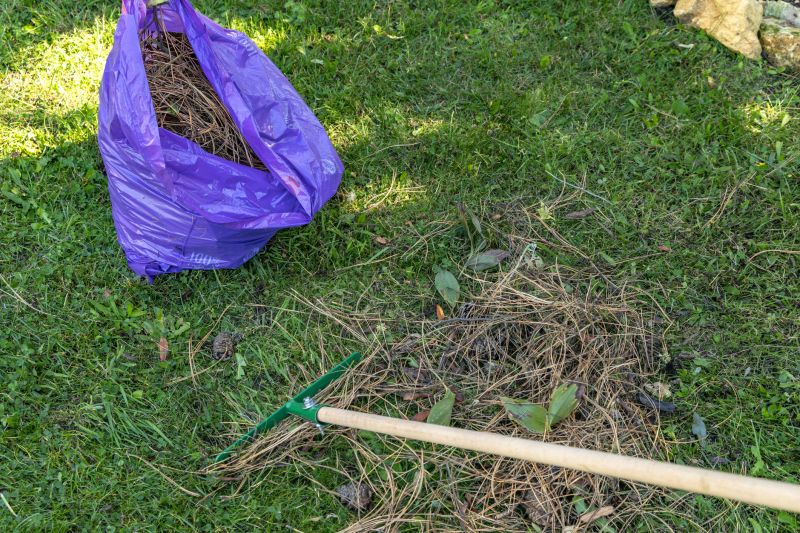
Power raking services are often sought after by property owners in Denver, CO, who notice their lawns becoming thick with thatch buildup, especially after heavy seasonal changes or prolonged periods of growth. When grass appears to be struggling with poor air circulation or water absorption, local contractors can help by removing this layer of dead grass and roots. This process can improve the health and appearance of the yard, making it easier to maintain and prepare for overseeding or fertilization.
Additionally, property owners may look for power raking if their lawns are experiencing uneven growth or if moss and weeds are beginning to take hold in the turf. Over time, accumulated debris can hinder grass growth and create an unkempt look. Local service providers can handle these projects, helping to restore the yard’s vitality and curb appeal, especially in areas prone to moisture retention or compacted soil common in Denver’s climate.
What is power raking? Power raking is a lawn care service that uses specialized equipment to remove thatch, moss, and debris from the grass surface, helping to improve lawn health and appearance.
Why should I consider power raking for my lawn? Power raking can help reduce soil compaction, promote better air and water penetration, and encourage new grass growth, leading to a healthier, more vibrant lawn.
What types of local contractors offer power raking services? Many lawn care and landscaping companies in Denver and nearby areas provide power raking as part of their services, tailored to different lawn needs.
How often is power raking recommended? The frequency of power raking depends on the lawn’s condition, but typically it is performed once or twice a year to maintain optimal grass health.
Can power raking be combined with other lawn treatments? Yes, power raking can be integrated with overseeding, aeration, and fertilization to enhance overall lawn care results.
Spring Yard Cleanup - Power raking helps remove built-up thatch and debris, preparing lawns for healthy growth during the growing season.
Thatch Removal - Property owners can use power raking to eliminate excess thatch that can hinder water and nutrient absorption.
Lawn Aeration Preparation - Power raking can be part of a process to aerate and loosen compacted soil for better root development.
Overseeding Support - Removing thatch with power raking creates a better seed-to-soil contact, promoting even germination and growth.
If you are thinking about Power Raking for a property in Denver, CO, this guide is meant to help you understand the work, the typical project types, and how different options might fit your plans.
When you are ready, you can use the quote form on this page to share a few details about your project. From there, local pros can review the basics and respond with options that match what you have in mind.